








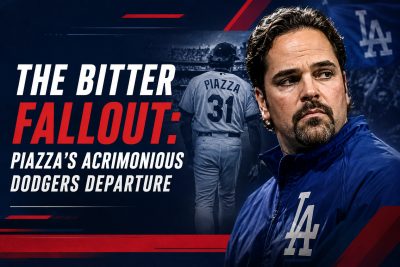
The story of Mike Piazza and the Los Angeles Dodgers is one of remarkable discovery, meteoric rise, and an ultimately bitter, public divorce. This narrative encapsulates the often-strained relationship between professional athletes and the organizations that employ them, especially when immense sums of money are involved. For a franchise that prided itself on loyalty and developing talent, the fallout with Piazza became a defining moment, leaving a legacy of resentment on both sides that continues to resonate through baseball history.
From Unseen Talent to Unquestioned Star
The Dodgers’ initial connection with Mike Piazza was nothing short of serendipitous, a true diamond-in-the-rough tale. He was drafted by the organization at a time when virtually no other team showed interest, a testament to their scouting prowess and belief in raw potential. Piazza quickly ascended through the minor league system, transforming into one of baseball’s most formidable offensive catchers. His powerful bat, exceptional hitting prowess, and undeniable presence behind the plate quickly made him a fan favorite and a cornerstone of the team’s future. Yet, beneath the surface of this seemingly perfect partnership, a different sentiment brewed. Piazza, despite receiving his professional start from the Dodgers, harbored a distinct lack of gratitude towards what he perceived as “corporate ownership.” This independent spirit, which some observers called “metal,” suggested a player who felt he owed no inherent debt to the institution that discovered him. This perspective, a blend of self-reliance and a touch of defiance, would prove crucial in the unfolding drama that would soon engulf the franchise.
The Piazza Dodgers Contract Dispute of 1998
The simmering tensions erupted into a full-blown crisis in 1998, centered around a contentious contract negotiation that captivated the baseball world. Mike Piazza, by this point an established superstar and one of the league’s premier talents, sought to solidify his financial standing, openly demanding to become the highest-paid player in baseball. The figures being discussed were substantial, with reports indicating that an offer of $81 million was deemed insufficient by Piazza. He famously attributed this perceived inadequacy to his “expensive taste,” a statement that further fueled the perception of greed from the organization’s perspective and among a segment of the fanbase. The Los Angeles Dodgers, in turn, viewed Piazza’s escalating demands and his uncompromising attitude as both greedy and disloyal. From their vantage point, a player they had nurtured from obscurity, investing heavily in his development, now held them hostage, seemingly unappreciative of the immense opportunity and platform they had provided. This stark difference in perception, a chasm between player entitlement and organizational loyalty, laid the groundwork for an acrimonious split that would define the era.
The dispute quickly escalated beyond mere financial terms, morphing into a deeply personal and public battle played out in the media. Piazza himself felt the Dodgers organization was calculating and disloyal, mirroring the accusations he leveled against them. He also perceived the fanbase as fickle, quick to turn on a player once contract negotiations turned sour and public opinion began to shift. A significant and particularly bitter turning point in this escalating “beef” was Piazza’s direct attribution of the “Greedy Mike” label to legendary Dodgers broadcaster Vin Scully. This accusation, which targeted a revered figure synonymous with the Dodgers’ identity, transformed the conflict from a potentially manageable disagreement into an “everlasting gobstopper, flamin’ beef flavor,” as one observer vividly put it. The public narrative became increasingly polarized, with fans and media taking distinct sides in the contentious debate. The entire saga of the Mike Piazza Dodgers dispute was widely covered, highlighting the intense emotions and deep-seated resentments involved on both sides.
A Legacy of Resentment and Unapologetic Individuality
The bitter separation between Mike Piazza and the Dodgers left an indelible mark on both parties, shaping their respective narratives for years to come. For the Dodgers, it represented the painful loss of a homegrown superstar under highly unfavorable circumstances, a public relations nightmare that underscored the growing challenges of managing player expectations and soaring salaries in the modern game. For Piazza, it solidified his image as an unapologetic individualist, a “metalhead” who wasn’t afraid to challenge corporate power structures and demand his worth, even if it meant alienating a significant portion of his original fanbase. His stance, which embodied the sentiment of “f-you corporate ownership, I don’t owe you no debt of gratitude,” resonated with a certain rebellious spirit, even as critics questioned his demands for higher pay and his public statements. The perception of him as a player with “expensive taste” became a lasting, if sometimes controversial, part of his public persona. This dramatic episode is often revisited when discussing the complexities of player-team relationships in professional sports, serving as a cautionary tale about the perils of miscommunication, differing loyalties, and the raw power of public perception. The full story of how the Dodgers discovered Mike Piazza and the subsequent fallout remains a compelling and often debated chapter in baseball history.
Ultimately, the saga of Mike Piazza and the Los Angeles Dodgers is a complex tapestry of talent, ambition, loyalty, and resentment. What began as a Cinderella story of an overlooked talent blossoming into a superstar ended in a public and painful divorce, leaving a permanent rift. The differing perspectives on the 1998 contract dispute ensured that the relationship would permanently fracture, leaving behind a legacy that baseball historians and fans alike continue to debate and analyze. It stands as a powerful reminder that even the most promising partnerships can crumble under the weight of conflicting interests, perceived betrayals, and the relentless pressures of professional sports.