








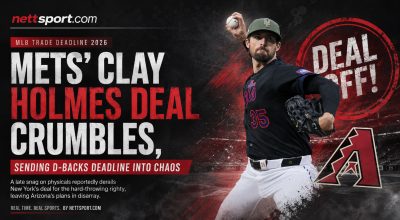
The 2026 MLB trade deadline, a period notorious for its eleventh-hour drama and high-stakes maneuvers, delivered a particularly harsh blow to the Arizona Diamondbacks. What began as a seemingly done deal for a much-needed starting pitcher quickly unraveled, directly impacting the Diamondbacks’ entire deadline strategy and throwing their plans into disarray. The collapse of the initial Mets Clay Holmes trade sent their front office into a chaotic scramble, highlighting the precarious nature of negotiations that often hinge on unforeseen circumstances. This unexpected turn of events left Arizona empty-handed in their pursuit of a rotation upgrade and underscored the inherent risks teams face when waiting until the final moments to bolster their roster for a playoff push.
The Deal That Wasn’t: Unpacking the Mets Clay Holmes Trade Collapse
On Monday, August 3, 2026, the Arizona Diamondbacks believed they had secured a crucial arm for their pitching rotation: Clay Holmes. They reached an agreement with the New York Mets to acquire the right-handed pitcher, a move intended to provide immediate relief to their injury-plagued staff. However, the celebration in Arizona proved premature. Reports, notably from The Arizona Republic as cited by The New York Post, indicate the Mets abruptly nixed the deal due to medical concerns regarding a prospect included in the proposed package. This sudden reversal left the Diamondbacks in an unenviable position, as the two sides could not subsequently find a new trade package that satisfied both parties before the deadline. The intricate dance of a major league trade, often hinging on young talent’s health evaluations, proved the undoing of what seemed like a done deal. Diamondbacks General Manager Mike Hazen expressed the team’s profound frustration, stating, “We had some things just not go our way. It didn’t happen for us.” He further elaborated that the team came “very close” to acquiring multiple pitchers, indicating the depth of their efforts and the sting of this particular failure. The initial Mets Clay Holmes trade falling apart at the last second became a defining, and ultimately disappointing, moment for Arizona’s deadline aspirations.
Diamondbacks Left Scrambling: A Deadline Derailed
The immediate aftermath of the failed Mets Clay Holmes trade plunged the Diamondbacks’ deadline into disarray, creating a domino effect that cost them dearly. While Arizona deeply engaged in negotiations with the Mets, other potential starting pitcher targets across the league began coming off the board, rival teams quickly acquiring them. This left the Diamondbacks with dwindling options and an increasingly urgent need as the deadline approached. Their pitching staff, which ranked 14th in ERA across MLB, already grappled with significant depth issues due to a string of injuries to key players such as Corbin Burnes, Zac Gallen, Ryne Nelson, and Michael Soroka. The urgency to bolster their rotation was palpable, yet the last-minute collapse of the Holmes deal meant they ultimately failed to land a needed starting pitcher by the deadline. GM Hazen acknowledged the extensive efforts, noting, “We took some runs at a lot of the pitchers, we made a lot of players available, it just didn’t happen for us.” The team’s reliance on a depleted staff became a stark reality, a direct consequence of the unforeseen medical snag. The New York Post detailed the full story of how this pivotal deal unraveled, highlighting the precarious nature of deadline negotiations and the significant impact on Arizona’s immediate future.
Holmes Finds a Home: The Cubs Step In
While the Diamondbacks pondered what might have been, Clay Holmes eventually found a new home, albeit with a different National League club. The New York Mets, after their initial deal with Arizona fell through, quickly pivoted and ultimately sent Holmes, along with reserve outfielder Tyrone Taylor, to the Chicago Cubs. This move provided the Cubs with a valuable arm for their bullpen, a stark contrast to the Diamondbacks’ empty-handed finish. The Mets, despite the initial hiccup, successfully traded Holmes and secured their desired return from a different trade partner, navigating the complex deadline landscape effectively. The Cubs acquired Holmes in one of several transactions that shaped the league landscape, as discussed in broader deadline analysis. For the Diamondbacks, however, the experience served as a harsh reminder of how quickly fortunes can change in the high-stakes world of professional baseball, especially when medical evaluations dictate the terms. The chaotic conclusion to their deadline efforts will undoubtedly prompt reflection for the organization as they navigate the remainder of the season with their current pitching staff, hoping their existing talent can overcome the depth challenges.