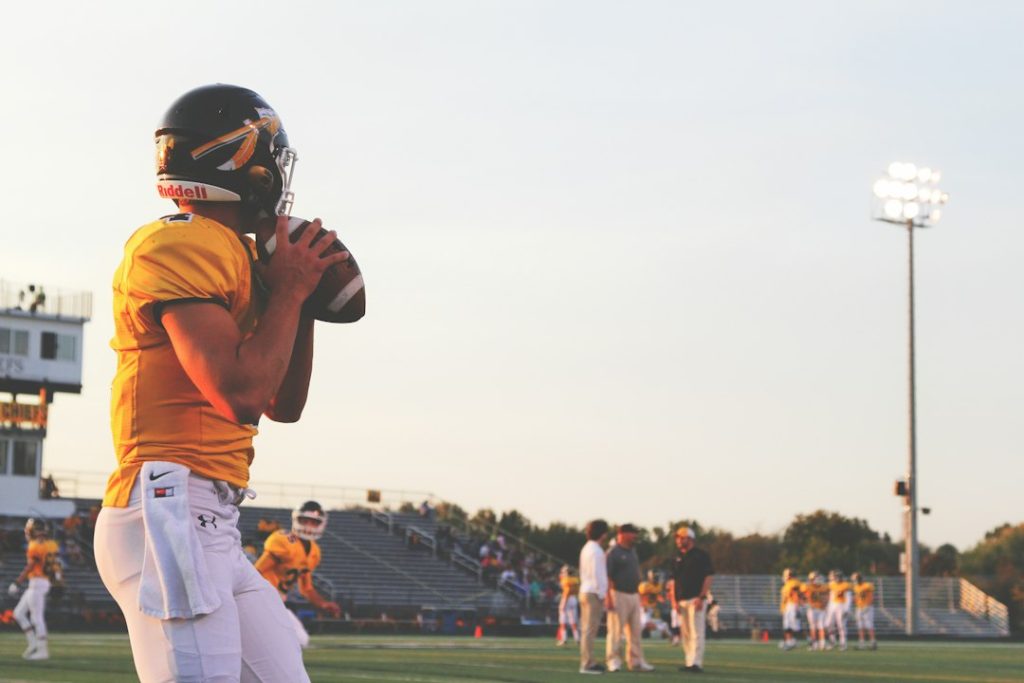
College football programs searching for a quick fix at the most important position on the field are facing a difficult reality. The college football transfer QB market faces a severe shortage as a wave of high-profile passers chooses to stay with their existing teams rather than testing free agency.
Retention trend cools the transfer QB market
This trend highlights a major shift in how rosters are built. Mississippi State quarterback Kamario Taylor stands as the latest example of this movement. Reports indicate that Taylor is finalizing a deal to remain with the Bulldogs, with expectations that the contract will make him one of the highest-paid players in the sport. This decision effectively removes another premier talent from the reach of needy programs.
Taylor joins a growing list of athletes who have rejected the allure of the open market. Missouri’s Austin Simmons, Oregon State’s Braden Atkinson, and Nebraska’s Anthony Colandrea have all committed to their current schools through new financial arrangements. These retention efforts are creating a ripple effect across the sport, as college football transfer QB market shortages become a primary concern for coaching staffs everywhere.
Lack of elite options for needy teams
The math simply does not favor teams waiting for a savior in the portal. Data shows that out of the top 25 passers in college football, only 13 are underclassmen. Many of those players are either declaring for the NFL Draft or remaining committed to their current rosters, such as Alabama’s Keelon Russell. With limited high-impact inventory, schools in desperate need of an upgrade are struggling to find ready-made starters.
While programs like Texas A&M and Oklahoma continue to search for a playoff-caliber leader, the pool of available talent continues to thin. Some analysts suggest that teams should look closely at the depth chart rather than relying on external acquisitions. For further analysis on this developing situation, readers can check additional reporting on the transfer portal dynamics.
Wild cards remain as teams pivot strategy
Despite the current climate, a few wild cards could still shift the landscape. Oregon’s Dante Moore remains a name to watch, particularly after a season hampered by injuries. If players like Moore or Texas quarterback Arch Manning decide to explore new environments, the market could see a late-stage jolt. However, for most schools, the strategy of overhauling the quarterback room via the portal is becoming increasingly high-risk.
Coaching staffs now face a crossroads. Schools must decide if they should pay high premiums to keep their current starters or gamble on the dwindling supply of transfers. As the season approaches, the focus on internal retention indicates that the era of easy quarterback shopping may be coming to a close.