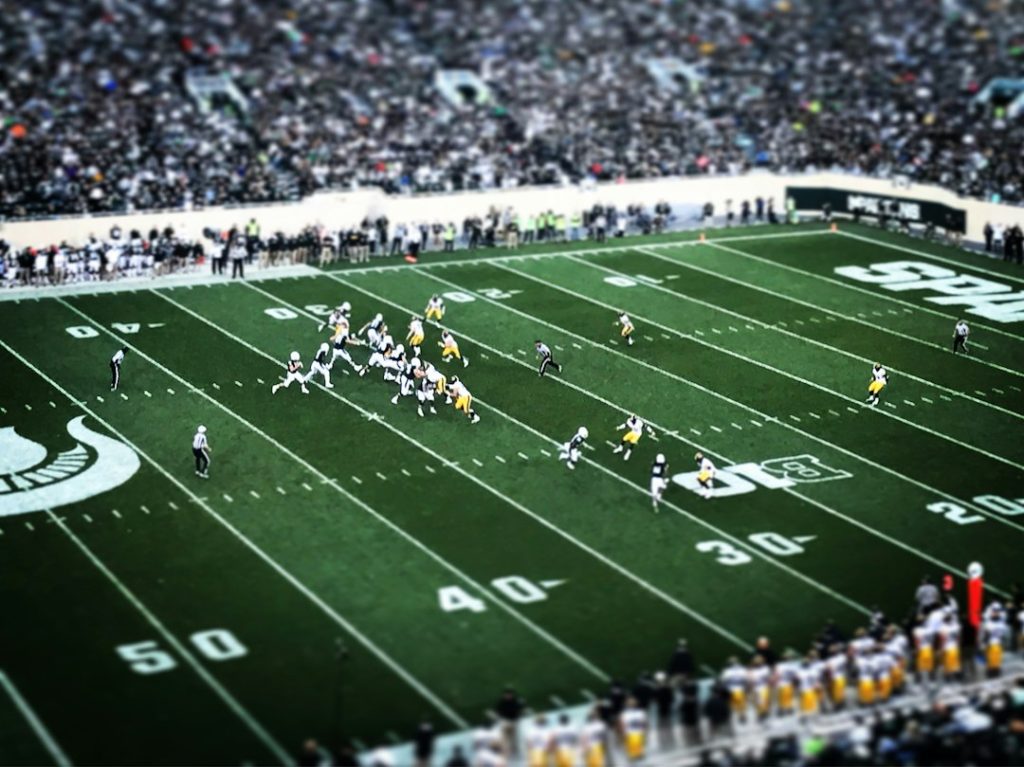
Ann Arbor witnessed a defensive struggle Saturday as the No. 6 Indiana Hoosiers secured a narrow 13-6 victory against the Michigan Wolverines in overtime. The win marked a historic milestone for Indiana, representing their first victory at the iconic Big House since 1967. Despite the celebratory final outcome, the path to triumph required intense internal deliberation from head coach Curt Cignetti regarding his starting quarterback.
Cignetti debated benching Hoover during crucial Big Ten road game
Josh Hoover entered the matchup dealing with significant injuries, casting doubt on his availability for the full contest. Curt Cignetti openly acknowledged the difficult decision regarding the quarterback position throughout the second half. The coaching staff seriously weighed the possibility of benching Hoover in favor of seventh-year backup Grant Wilson. Wilson had performed well during weekly practices, creating a legitimate internal debate for the staff.
Ultimately, Cignetti chose to remain committed to his starter. He felt the season’s narrative belonged to Hoover and wanted to see the campaign through with him. Hoover rewarded that trust when the game reached its most critical juncture. After a stagnant performance during regulation, the quarterback ignited the offense on the first snap of overtime. He connected with Brock Schott for a 21-yard gain, which immediately set the stage for Hoover to punch in a 4-yard touchdown run.
Michigan struggles with offensive turnovers and missed opportunities
The Wolverines offense suffered from inconsistent execution and critical errors throughout the afternoon. Starting quarterback Tommy Carr struggled to find rhythm against a stout Indiana defensive front. Carr committed two major turnovers, including a lost fumble on an ill-advised pitch in the opening quarter. A deflected pass later resulted in an interception, further hampering the Wolverines’ scoring efforts.
Michigan faced additional adversity as penalties and sacks thwarted their momentum in scoring territory. Carr endured four sacks on the day, with several coming at vital moments. The Wolverines reached the 1-yard line in the second and third quarters, yet finished those drives with missed field goal attempts. The team faced a final chance in regulation, driving to the Indiana 3-yard line, but a fourth sack forced the home team to settle for a short field goal to tie the game at the buzzer.
Defensive dominance defines the low-scoring battle
Both coaching staffs emphasized fundamental improvements following the final whistle. The Wolverines’ struggles were not limited to the passing game, as the ground attack also failed to generate sustained pressure. Coach Kyle Whittingham noted that his team must address widespread issues following the disappointing loss. The defense, however, kept the game within reach until the final moments of the second overtime period.
With the contest on the line, Michigan moved to the Indiana 13-yard line. Needing a score to extend the game, Carr fired an incomplete pass that landed just shy of the end zone in front of Salesi Moa. The Indiana defensive unit held firm under immense pressure, maintaining their undefeated standing while silencing the crowd. While Whittingham warned against judging his quarterback based on one performance, the reality remains that Michigan missed key chances to steal the game late. Indiana now shifts focus to their next opponent, carrying the momentum from a rare and gritty road win in Ann Arbor.